Lavender: the plant that changes the feel of a room
Some plants look good. Some plants smell good. Lavender does both at the same time. And it also calms you down, helps with sleep, and keeps moths out of the closet.
There's a reason lavender is one of the best-selling plants in the world, and why the lavender fields in Provence became a tourist attraction. Something about that smell hits people differently from any other plant.
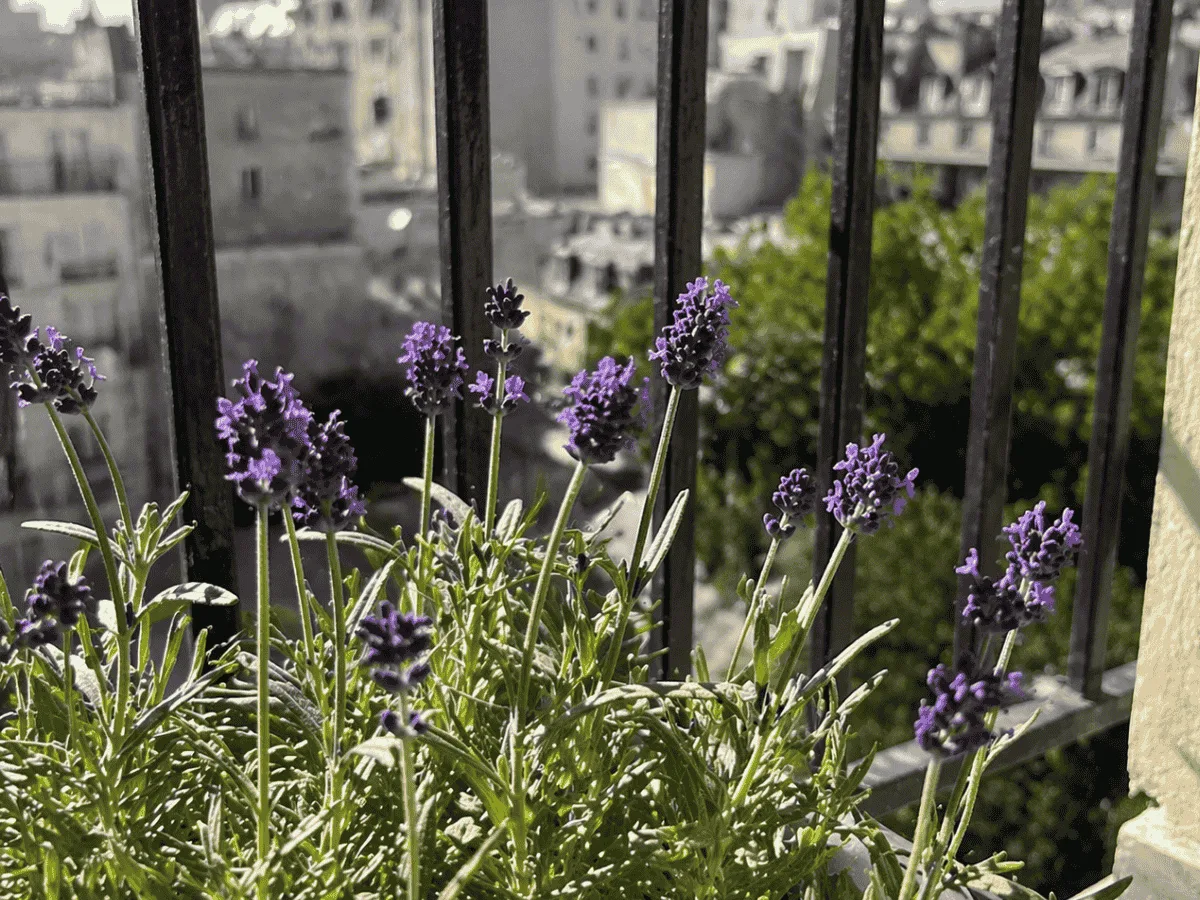
Good news: you don't need to go to Provence. Lavender grows in a pot on a balcony or terrace, and gives you flowers, scent, and material to use for years.
Why have lavender in your home
Sleep and calm
Studies confirm what grandmothers always knew: the smell of lavender lowers anxiety and improves sleep. Dried flowers in the pillowcase, a few drops of essential oil on the pillow, a sachet in the closet. The difference is noticeable.
Decoration
Fresh lavender in a vase keeps its shape and smell as it dries. Dried bunches look just as good as fresh: rustic, elegant, neutral for any interior. And they last for months.
Insect protection
Moths and mosquitoes don't like the smell of lavender. Dry sachets in the closet replace chemical products. By windows or near the bed: a natural repellent.
Cooking
Lavender in the kitchen sounds odd, but there's a reason every patisserie in Provence and every craft lemonade bar in the world uses it:
- Lavender lemonade: lavender syrup, lemon, sparkling water. Refreshing and unexpected.
- Lavender honey: drop dry flowers into honey, leave for a week. Done. Flavored honey.
- Cakes and pastries: lavender in shortbread cookies or in cream. A little goes a long way.
Watch the dose. Lavender in cooking goes in tiny amounts, not spoonfuls. Too much, and it tastes like soap.
How to grow lavender at home
Lavender is a Mediterranean plant: sun, dry, good drainage. Same needs as rosemary, but even less tolerant of moisture.
Light
At least 6-8 hours of direct sun. No compromise here. Without sun, lavender doesn't flower and slowly dies. The most south-facing balcony or terrace is the ideal spot. Indoors, with no strong direct sun, you'll struggle to keep it happy.
Watering
Less is more. Water deeply, then wait until the soil is completely dry before watering again. Lavender is the most sensitive of all the kitchen herbs to wet soil. Root rot is the main reason it dies.
In winter, cut watering to a minimum: once every three or four weeks if the plant is dormant.
Soil and pot
This part matters: the soil has to drain very well. Mix standard soil with 50 percent sand or perlite. The pot needs a drainage hole, and you should empty the saucer right after watering. Never let it sit in water.
The ideal pot is terracotta. It pulls excess moisture out. Plastic holds water too long.
Temperature and winter
Lavender is cold-hardy: many varieties take temperatures down to -15°C. On a balcony it overwinters fine in this climate. Indoors over winter, watch for overheating and dry air from the radiator.
Pruning
Once a year, after flowering, cut back about a third of the plant. Without pruning, lavender turns woody and loses its shape. Pruning is what keeps it compact and full.
How to make lavender oil at home
Not essential oil (that takes distillation). But infused lavender oil, perfect for skin, massage, and aromatherapy, you can make at home.
What you need:
- Dried lavender flowers (not fresh; moisture spoils the oil)
- A carrier oil: jojoba, almond, or olive
- A glass jar with a lid
The steps:
- Dry the flowers for one to two weeks, hanging upside down
- Fill the jar with flowers to the top
- Pour in oil to the top, push out air bubbles
- Close and leave in a sunny spot for four to six weeks
- Strain through cheesecloth, store in a dark bottle
Result: a scented oil for skin, massage, or a few drops on your pillow.
Lavender sachets: the easiest project
Dry the flowers, pour them into a small fabric bag, sew it up or tie it. That's it.
One pot of lavender gives you enough flowers for five or six sachets a year. Put them in the closet (moths don't like it), in drawers, with the bedsheets, in the car.
Also a great gift: homemade, but it looks expensive.
Balcony vs indoors: where lavender grows better
Balcony or terrace:
Ideal. Enough sun, good airflow, natural temperatures. Lavender thrives here.
Indoors:
Possible, but tricky. You need a window that gets direct sun for at least 6 hours. In most apartments that's only a south-facing one. Without that, the plant survives but doesn't flower properly.
If you have a balcony, lavender goes there. If you don't, think about rosemary or wild thyme. They tolerate indoor life better.
FAQ
Why isn't my lavender flowering?
Most often: not enough sun or too much fertilizer. Lavender flowers best when it's a little stressed. Rich soil actually reduces flowering.
Can I grow lavender from seed?
Yes, but it's slow and demanding. We recommend buying a young plant from a nursery: faster and more reliable.
Which lavender is best for a pot?
Lavandula angustifolia (English lavender) and compact varieties like 'Hidcote' or 'Munstead.' Avoid Spanish lavender (Lavandula stoechas) for indoors: less hardy.
How do I dry lavender?
Cut the flower stems before the flowers fully open. That's when the smell is strongest. Tie in bundles, hang upside down in a dark, airy spot. Done in two weeks.
How long does lavender live?
With good care, 10 to 15 years. It gets more beautiful with age if you prune it regularly.