Rosemary: the plant that does it all
Few plants have this many uses. On Monday rosemary is a herb for roasted meat, on Wednesday it's an ingredient in hair oil, on Friday it's tea for the immune system, and on weekends it sits on the windowsill and looks great.
That's why so many people want one. And why it's worth knowing how to grow it at home: because once you have it, you'll use it for everything.
Rosemary in the kitchen
If you've ever roasted potatoes without rosemary, you know what was missing. But that's just the start.
Where rosemary goes:
- Roasted meat: lamb, chicken, pork
- Roasted potatoes and vegetables
- Focaccia and homemade bread
- Marinades for the grill
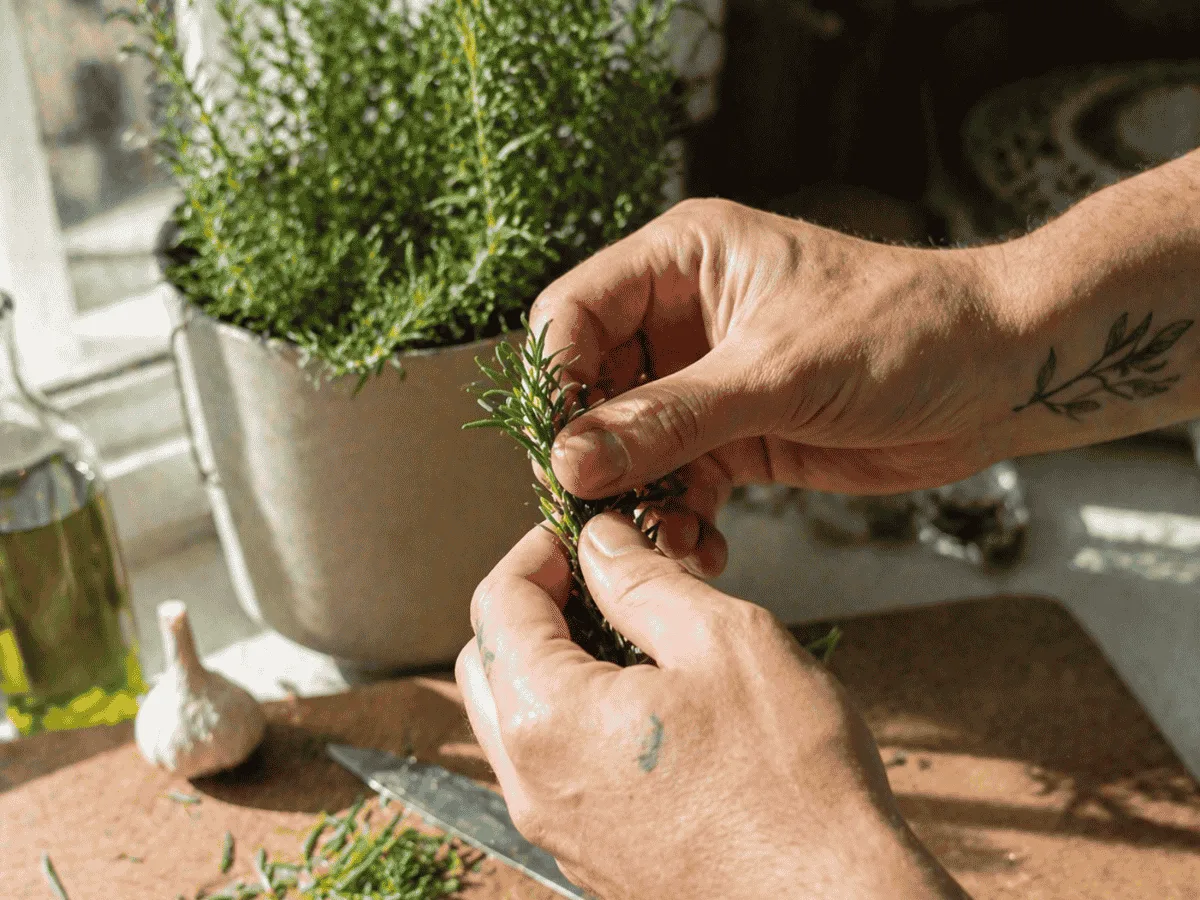
- Olive oil: drop in a sprig and leave it for a week
The gap between dried rosemary from a packet and freshly picked is huge. Fresh smells intense, almost resinous. Dried is a faded copy.
If you grow it at home, you always have fresh, and you stop buying the packet kind.
Rosemary for hair and health
In the past few years, rosemary has had a comeback, and not because of cooking. TikTok and Instagram pushed rosemary oil as a natural treatment for hair growth and scalp health.
What science says:
Studies show that rosemary oil stimulates circulation in the scalp, which can help with slow growth and hair loss. It's not magic, but there's something to it.
How to make rosemary oil at home:
- Put a fresh or dried sprig of rosemary in a small jar
- Cover with olive or jojoba oil
- Leave in a dark spot for two to four weeks
- Strain and apply directly to the scalp
If you grow rosemary at home, you have the raw material for free, and always fresh.
Rosemary tea:
A sprig in boiling water, 5 minutes. People drink it for focus, digestion, and immunity. The taste is strong and resinous: not for everyone, but if you get used to it, you keep going.
How to grow rosemary at home
Rosemary comes from the Mediterranean. That means sun, dry, rocky. Once you understand that, you understand how to grow it.
Light
At least 6 hours of direct sun a day. The most south-facing window in the house is the right spot. Without enough light, it grows slowly, gets tough, and loses its smell.
Watering
This is where people go wrong most often: too much water.
Rosemary doesn't like wet feet. The soil has to dry out between waterings: push your finger about an inch into the soil. If it's dry, water. If it's damp, wait. Better to water rarely and deeply than a little every day.
Soil and pot
The soil has to drain well. Use standard houseplant soil with 30 percent sand or perlite. The pot must have a drainage hole. Water can't sit at the bottom.
Temperature
It tolerates cold better than damp. On an open balcony it survives mild winters. Indoors: fine all year.
Feeding
Once a month in spring and summer, a liquid fertilizer for herbs. Don't feed in winter. The plant is dormant.
Rosemary in a pot: what to expect
A pot of rosemary on the windowsill is an investment that pays off in a month or two. The plant grows slowly but it's long-lived: with minimal care it can last for years.
Realistic expectations:
- First month: adjustment, maybe a few yellow needles
- After two to three months: settled in, steady growth
- After a year: a branched plant you can pick from regularly
The biggest mistake: buying a small plant from the supermarket in a tiny plastic pot and leaving it there. Repot it right away into a bigger pot with draining soil.
Common mistakes
Overwatering:
The number one reason rosemary dies indoors. Roots rot in wet soil.
Not enough light:
On a north window or deep in a room, it won't be happy. It can survive, but it won't thrive.
Plastic pot with no drainage:
Water sits, roots rot. Always use a pot with a hole, always empty the saucer after watering.
Cutting too much at once:
Don't take more than a third of the plant. Leave it enough leaf to keep photosynthesizing.
Grow rosemary with no fuss
If this feels like a lot of factors to track, there's an easier way.
The Urbi smart garden controls light, moisture, and cycles automatically. Drop in a capsule with rosemary seed, the system does the rest. You pick when it's ready.
Ideal for apartments without a good south window, or for people who just don't want to track watering.
FAQ
Can rosemary survive winter indoors?
Yes, no problem. Only on an exposed balcony with no cover can it be risky if temperatures drop below -10°C, but indoors it's safe.
Why does my rosemary have brown needles?
Most often: too much water or not enough light. Check drainage and move it to a brighter spot.
Can I use rosemary right after I buy it?
Yes, but give the plant one to two weeks to settle in before you start picking heavily.
How often should I cut rosemary?
As needed, whenever you want it for cooking. Regular cutting actually helps it grow.
Does rosemary flower?
Yes, with small bluish flowers in spring. The flowers are edible and have a mild taste.
How long does rosemary live in a pot?
With good care, 5 to 10 years. Some plants last even longer.