Ficus: the plant that rewards patience
Ficus isn't a plant for everyone. It's moody. It doesn't like being moved. It drops leaves when something isn't right, and it can look like it's dying when really it's just adjusting.
But once it finds the right spot, and you give it what it needs, it becomes one of the most impressive plants you can have in a room. Tall, full, elegant. A plant that changes the feel of a space.
That's why it's worth the effort.
Ficus and ficus: they're not all the same
"Ficus" is the common name for a big family of plants. In stores, you'll usually see three of them, and each is different.
Ficus lyrata (fiddle-leaf fig):
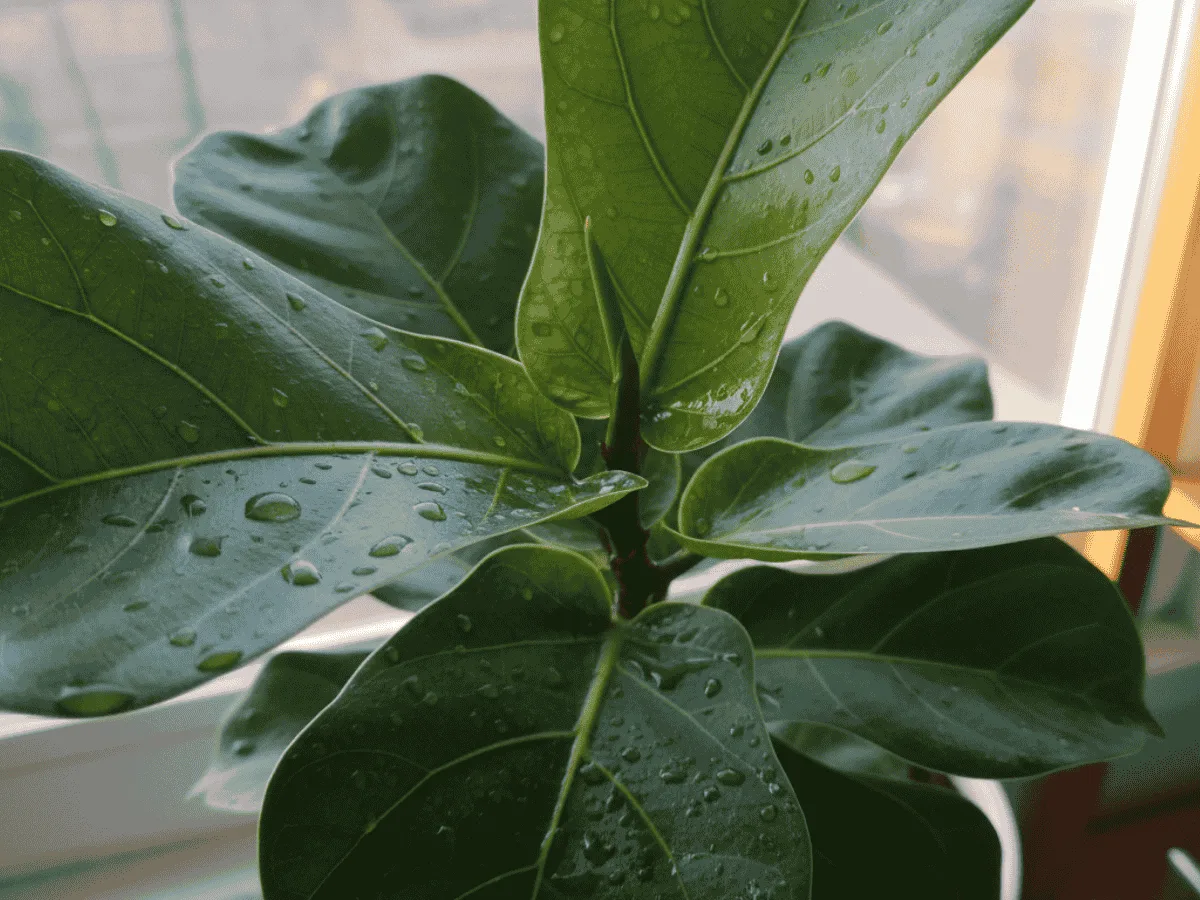
The Instagram and interior design star. Big, violin-shaped leaves, dramatic look. The fussiest of the three. Doesn't like change, sensitive to drafts, and dislikes being moved.
Ficus benjamina:
The classic ficus that was in every apartment in the '90s. Small, glossy leaves, tree-like growth, can grow tall. Drops leaves when you move it, but recovers.
Ficus elastica (rubber plant):
Thick, glossy leaves in deep green or burgundy. The toughest of the three, forgives mistakes. Modern look, a great option for beginners who want a big plant.
Which one to pick? For beginners: elastica. For experienced growers: lyrata. For a classic look: benjamina.
The right spot, and why you don't move it
Ficus doesn't like change. Once it finds the right spot in the room, leave it there.
Every time you move a ficus, it reacts. It drops leaves, slows down, sometimes looks like it's dying. That's not the end of the plant. That's the stress of adjusting. In two to four weeks, it stabilizes and starts growing again.
So before you buy a ficus, decide where it's going. And leave it there.
The ideal spot:
- Strong indirect light: near a window, but not in direct sun
- No drafts: away from doors, windows that get opened, and AC vents
- Steady temperature: not next to a radiator, not on a cold floor
- Room to grow: ficus needs space
Light: as much as possible, just not direct
Ficus loves strong light. But direct summer sun can burn the leaves, especially on lyrata, where the leaves are big and thin.
The ideal is a window that gets strong indirect light all day. A south-facing window with some protection from harsh midday sun (a thin curtain, or 1 meter back from the glass).
Ficus benjamina is a bit more forgiving in lower light. Ficus lyrata reacts to low light fast: yellow leaves, falling leaves. Ficus elastica is the most flexible, but also does best in good light.
In winter, when the days get short, move it closer to the window. This is the one exception to the "don't move it" rule. Do it gradually, not all at once.
Watering: steady, not too much
Ficus likes the soil to stay moderately moist, neither dry nor soaking.
Water when the top 3 to 4 cm of soil is dry. Stick a finger in the soil. Dry to the second knuckle? Water it. Water deeply, until water runs out the drainage hole. Empty the saucer.
In summer: once a week, sometimes a bit more often. In winter: once every 10 to 14 days.
Too much water:
Yellow leaves that fall off with the stem.
Too little water:
Leaves dry at the edges and fall off.
The two problems look similar: the plant loses leaves. The difference: too much water, the leaf is yellow and soft when it falls. Too little, the leaf is dry and brittle.
Humidity and wiping the leaves
Ficus likes humid air. Dry winter air from heating is one of the main reasons leaves drop.
Fixes:
- Mist the leaves with lukewarm water once a week
- Put a humidifier nearby
- Set the pot on a tray of pebbles and water; the water evaporates and raises local humidity
Wipe the leaves with a damp cloth once a month. Ficus lyrata has big leaves that collect dust and look dirty fast. Wiping brings back the shine and helps the plant photosynthesize better.
Feeding and growth
In the growing season (March to September), feed every two weeks with a liquid houseplant fertilizer. Ficus is actively growing in season and uses up nutrients.
In winter, don't feed. The plant slows down, and extra fertilizer just builds up in the soil.
A young ficus grows fast with good care: 30 to 50 cm per year in the first few years. A mature plant grows more slowly but gets bulkier.
Repotting
Every one to two years for young plants, less often for mature ones. Signs you need to repot: roots coming out of the drainage hole, the plant drying out fast between waterings, growth has stopped.
Always repot in spring. One pot size up, don't skip sizes.
Ficus lyrata especially doesn't like repotting. Do it only when needed, not as a routine.
Why ficus drops leaves, and when to worry
Dropping leaves is a normal ficus reaction to change. The causes:
Moved location:
The most common reason. Wait three to four weeks. The plant stabilizes.
Seasonal shift:
Fall, when days get shorter and light gets weaker. Normal.
Drafts or cold:
An open window blowing on it, near a door. Move it.
Change in watering:
A sudden swing from wet to dry, or the other way.
Pests:
Check the underside of the leaves (spider mites, scale). Webbing or sticky residue means it needs treatment.
When to worry: if the plant keeps losing leaves for more than a month with no sign of stopping, and the soil is fine, check the roots when you repot.
Ficus in offices and workspaces
A tall ficus in a reception area or lobby is a statement. Not a plant in the corner, but a piece that defines the space.
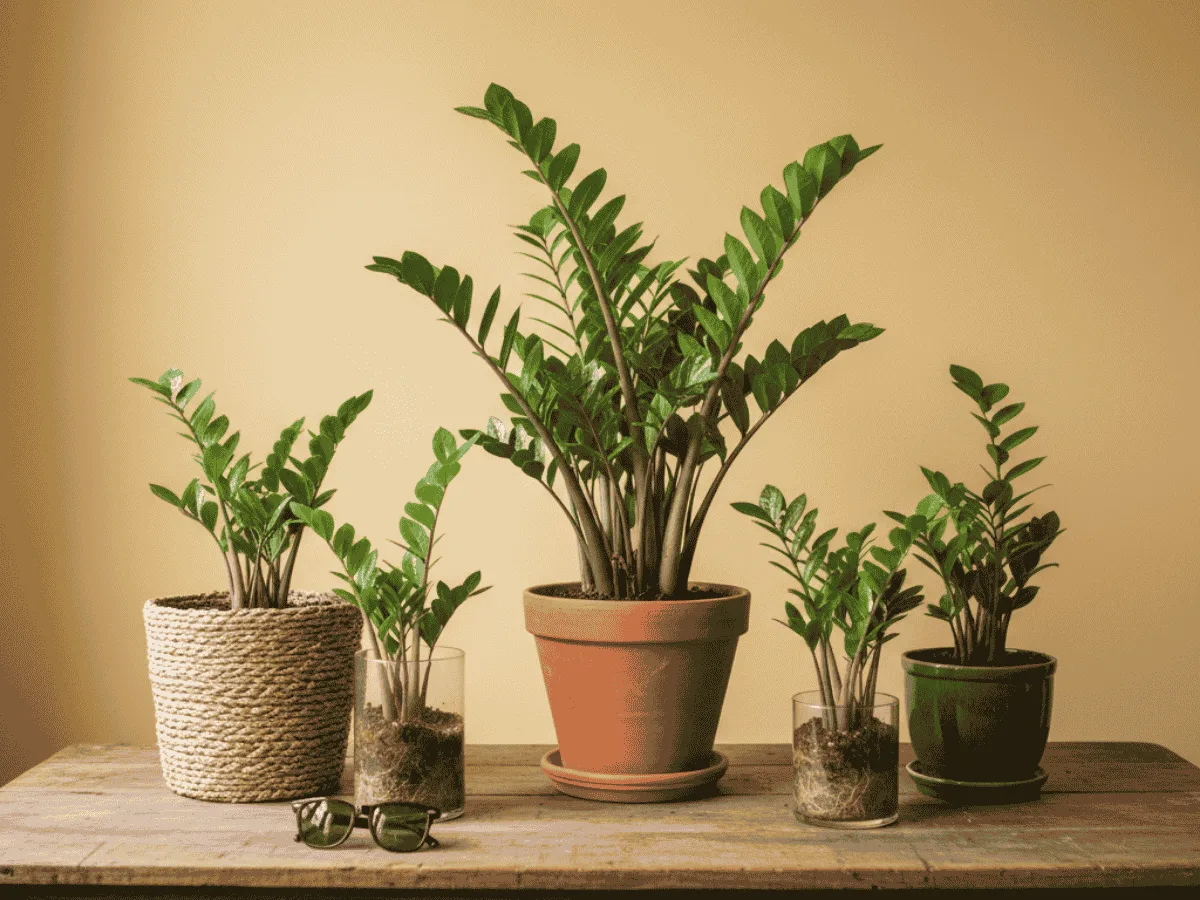
Ficus needs more attention than ZZ plant. But the result is more impressive in proportion. For offices that have someone who can take care of the plants, or for rooms with great natural light, ficus is the right choice.
Read more about office greening
FAQ
My ficus is dropping leaves, is it dead?
Almost certainly not. If you moved it, move it back. Stabilize the watering. Wait a month.
Can ficus go outside in summer?
Yes, but adapt it gradually to outdoor conditions. And know that when you bring it back inside, it will drop leaves again.
Why do ficus leaves have brown spots?
Direct sun, fluoride in the water, or fertilizer burn. Use filtered or rested water, and move it out of direct sun.
Ficus lyrata or elastica, which is easier?
Elastica, no contest. Lyrata is rewarding but demanding. Start with elastica, and once you have experience, move on to lyrata.
How tall can ficus get indoors?
Ficus lyrata and benjamina can reach 2 to 3 meters indoors with enough space and light.