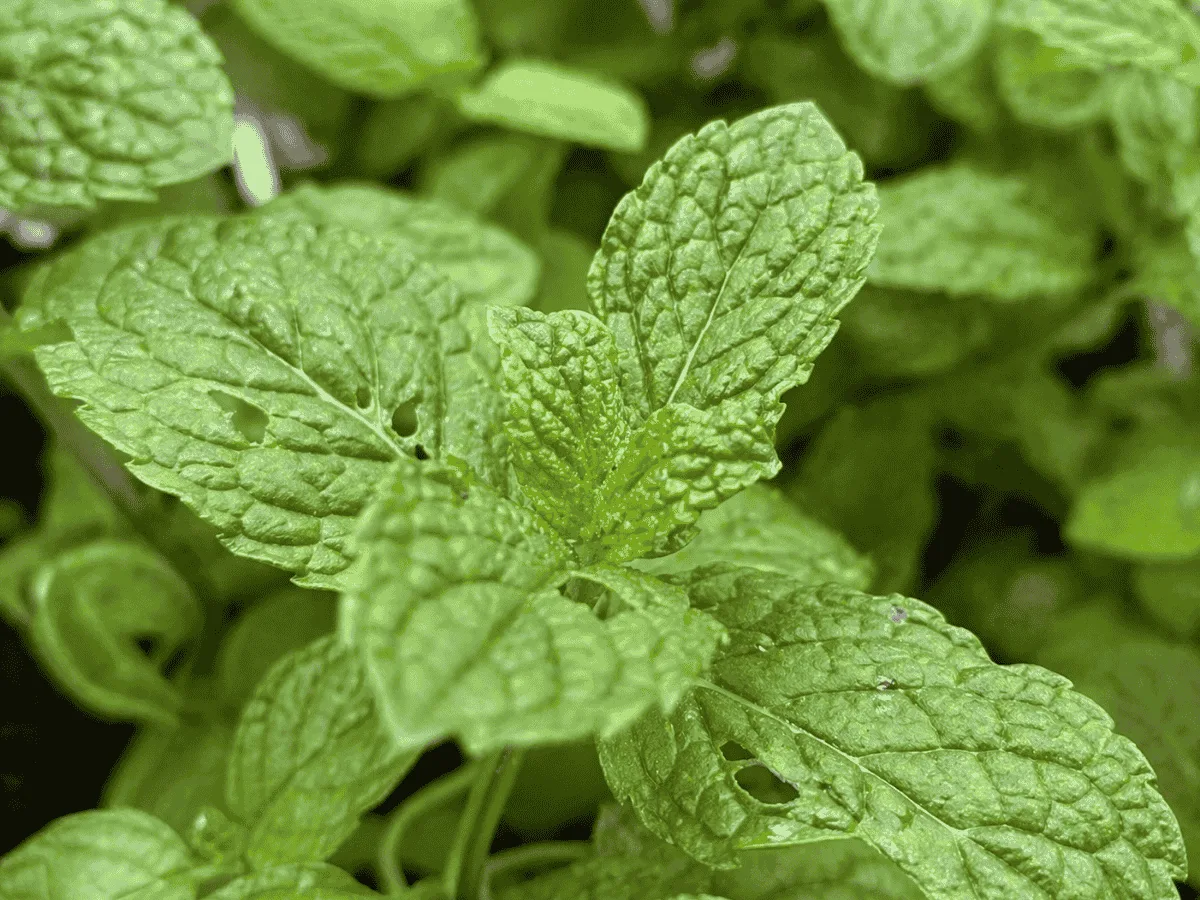
Mint: the plant that goes with everything
Tea in the morning. A mojito on Friday. Chocolate sauce for pancakes. Yogurt with mint for breakfast. A few leaves in your water so you're not just drinking water.
It's hard to find a plant with this many uses in everyday life. And it's hard to find a plant that's easier to grow. Mint grows fast, forgives mistakes, and gives you a harvest quickly.
The only real problem with mint: if you let it loose in a garden, it takes over in a year.
Mint in everyday life
Tea
The classic use. Fresh mint leaves in boiling water, 5 minutes. Nothing like the teabags from the store: stronger, fresher, more aromatic.
Hot mint tea helps with digestion, nausea, and bloating. Cold, with ice and lemon: a great summer drink that takes nothing but picking.
Cocktails and non-alcoholic drinks
A mojito without fresh mint isn't really a mojito. Same goes for the mint julep, hugo, and mint lemonade.
A trick bartenders use: don't muddle mint too hard. Just press gently to release the smell, but keep the leaves whole. Over-muddling makes it bitter.
Use fresh mint in water (with cucumber or lemon) instead of sugary drinks: a great way to drink more water every day.
Cooking
- Tabbouleh: the Lebanese salad of bulgur, parsley, and mint doesn't exist without it
- Tzatziki and cacık: yogurt, cucumber, mint or garlic (or both)
- Lamb: a classic pairing, especially in Middle Eastern cooking
- Desserts: chocolate and mint are a perfect match. Homemade sauce, tea for a glaze, garnish on a cake
- Ice cream: blended mint in a yogurt or cream base
Growing mint: easier than you think
Mint may be the most forgiving plant for beginners. Forget to water it — it survives. Overwater it — it survives. A bit of cold — it survives. It's almost impossible to kill mint if you give it the basics.
Light
It likes lots of light, but tolerates partial shade better than most herbs. On a north window it grows slowly, but it grows. An east-facing window is ideal: morning sun, afternoon shade.
Watering
Moderate to regular. Mint likes moisture but not standing water. The soil should stay lightly damp. Unlike rosemary, you don't have to fear overwatering here, but don't let water pool in the saucer either.
Pot and soil
Always in a pot if you're not growing it in a garden. Mint sends out underground runners in every direction and can take over a whole bed in one season. In a pot it's fully under control.
Standard houseplant or vegetable soil. A medium-sized pot. Mint likes room.
Temperature
Mint is cold-hardy: some varieties take frost. Indoors, it's happy year-round. On a balcony it can overwinter if it's protected from the worst frosts.
Propagation
The easiest of any kitchen herb: cut a sprig about 4 inches long, strip the bottom leaves, drop it in a glass of water. In 5 to 7 days roots appear. Plant it in soil. Done. From one plant you can make dozens, for gifts or to expand your collection.
Mint varieties: not all mint is the same
There are more than 600 species and varieties of mint. A few worth knowing:
Spearmint (Mentha spicata):
The classic mint, the one in tea and cocktails. Mild, fresh taste. Most common in stores.
Peppermint (Mentha piperita):
Stronger, cooler, more menthol. Better for tea and medicinal use.
Chocolate mint:
The smell really does remind you of After Eight chocolates. Great for desserts and as a garnish.
Apple mint:
Milder taste, softer leaves. Looks pretty, good for infused water.
If you order online or buy from a nursery, ask for the variety you want. Plain "mint" usually means spearmint.
Harvesting and storage
Pick often. It pushes mint to branch out and get fuller. Best in the morning, before strong sun, when the essential oils are most concentrated.
Storing fresh mint:
Like a bouquet of flowers, in a glass of water at room temperature. Lasts 5 to 7 days.
Alternative: wrap in a damp paper towel and put it in the fridge. Lasts up to two weeks.
Drying:
Tie into bundles and hang upside down in a dark, airy spot. In one to two weeks you have dry mint for tea all winter.
Freezing:
Wash, dry, freeze on a tray, then move to a ziplock bag. Goes straight from the freezer into tea or cooking.
Always fresh mint, no thinking required
For people who don't want to keep track of watering and conditions, the Urbi smart garden automates the whole process. A capsule with mint, automatic watering and lighting. In three to four weeks you pick the first leaves.
FAQ
Why is my mint losing its smell?
Most often: too much shade, or it's time to repot into a bigger pot. Roots with no room mean the plant slows down.
Can mint grow in water without soil?
Yes. Mint does great hydroponically. Roots develop straight in nutrient-rich water. Fast growth, easy to clean.
How fast does mint grow?
From seed to first harvest: 6 to 8 weeks. From a seedling: two to three weeks. From a sprig in water: you're picking in about a month.
Does mint flower?
Yes, with small purple or white flowers. You can leave the flowers or remove them. Unlike basil, flowering doesn't make mint bitter.
Can different mint varieties grow together?
They can, but if they're in the same pot they cross-pollinate, and over time you lose the character of each one. Better to keep each in a separate pot.