Aloe vera: the one plant that can help you tomorrow morning
A burn from the stove. Sunburn after the beach. A small kitchen cut. Skin irritated after shaving.
Most of us go to the pharmacy for a cream. But if you have an aloe vera plant on the windowsill, you have a fix on the spot: natural, and free.
You cut one leaf. You slice it open. You put the gel on your skin. That's it.
Aloe vera isn't just a houseplant. It's a home pharmacy in a pot. And it's one of the rare plants where the practical value comes first and the looks come second.
What aloe vera gel is, and why it works
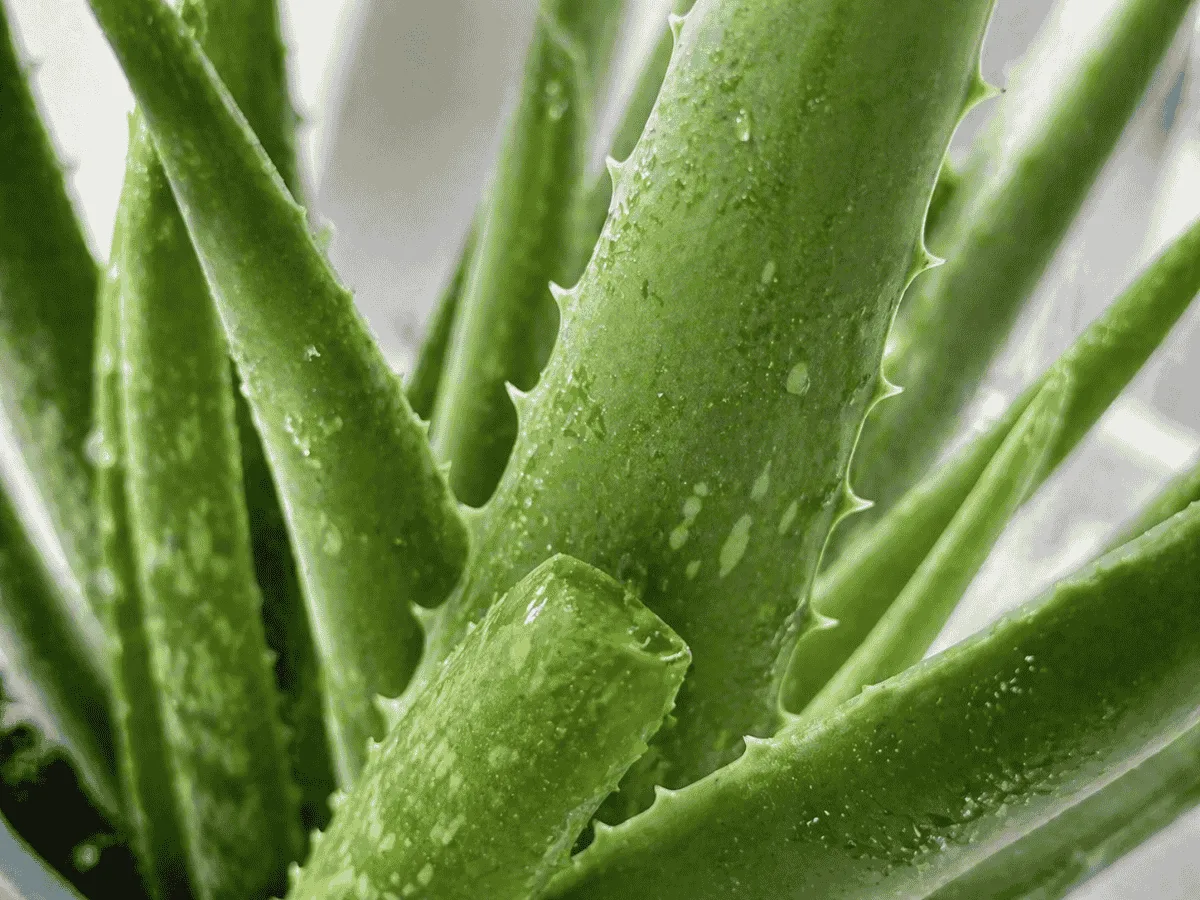
Inside every aloe leaf is a clear, slightly slimy substance: the gel. The gel is 99 percent water. The other 1 percent is a mix of compounds that scientists have been studying for decades.
Acemannan:
A polysaccharide that speeds up wound healing and reduces inflammation.
Anthraquinones:
Antibacterial and antiviral compounds.
Vitamins C and E:
Antioxidants that help skin recover.
Enzymes:
Reduce redness and irritation.
That mix makes aloe vera useful for:
- Burns: sunburn, mild heat burns, stove burns. The gel cools, calms inflammation, and speeds healing.
- Acne and pimples: antibacterial action cuts down bacteria, anti-inflammatory action cuts down redness.
- Dry skin: the gel absorbs without feeling greasy and hydrates deeply.
- After shaving: reduces irritation and redness.
- Insect bites: calms itching and swelling.
- Cuts and scrapes: antiseptic, helps the skin heal.
How to take the gel from an aloe leaf the right way
This is the step most people get wrong.
- Cut one outer, mature leaf with a clean knife. Always outer, older leaves, never the inner young ones.
- Stand the leaf upright for 10 to 15 minutes. A yellow liquid drains out (aloe latex), and it can irritate sensitive skin.
- Rinse the leaf with water.
- Slice it lengthwise or peel the top, then scoop out the gel with a spoon.
- Apply directly to the skin.
You can store the gel in the fridge in a closed container for up to a week. For longer storage, freeze it in ice cube trays.
What is the yellow liquid (latex)? It's aloin, a bitter substance just under the leaf skin. In some people it can trigger an allergic reaction on the skin. Always drain and rinse before use.
Aloe vera in homemade skincare
Face moisturizer:
Just the gel, straight from the leaf. Apply a thin layer to clean skin and let it absorb. No need to rinse.
Hair mask:
Mix the gel with olive oil (1:1). Apply to damp hair, leave for 20 to 30 minutes, rinse. Hydrates and adds shine.
After-sun:
Cold gel from the fridge straight onto sunburn: cools and helps the skin heal at the same time.
Shaving gel:
Skip the foam. Aloe gel goes straight on the skin, the razor glides smoothly, and the skin stays calm.
How to grow aloe vera at home
Aloe vera comes from dry regions of Africa and the Arabian Peninsula. Like other succulents, it stores water in its thick leaves and handles drought very well.
Light
Loves strong light. Direct sun is ideal. A south-facing window is perfect. In low light it survives, but it grows slowly, the leaves get thin and pale, and they lose some of their medicinal value because the gel is less concentrated.
Watering
Same rule as for succulents: water deeply, then wait until the soil is completely dry. In summer, once every two to three weeks. In winter, once a month or less.
Brown, soft leaves stuck against the stem mean too much water. Wrinkled, dry leaves mean not enough. A healthy leaf is firm, full, and stands away from the stem.
Soil and pot
A succulent and cactus mix, or standard soil mixed with 50 percent sand. The pot needs a drainage hole, and you empty the saucer right away.
Aloe vera grows a lot of roots and pups, so it fills a pot quickly. Repot every one to two years.
Temperature
It handles down to 5°C briefly, but not frost. Outdoors in summer is great. In winter, bring it inside. On a balcony in a cold climate, it can't make it through winter without protection.
Pups: free new plants
One of the best things about aloe vera: it propagates itself. Small pups (baby plants) come up from the base of the parent.
Once a pup reaches about a third the size of the parent, you can separate it.
- Take the whole plant out of its pot.
- Carefully separate the pup's roots from the parent.
- Let the cut surfaces dry for 24 hours.
- Plant the pup in a slightly damp succulent mix.
- Don't water for the first week. Let the roots settle in.
In a year or two, one plant gives you five or six new ones. Great for gifts. Once you explain what aloe vera is good for, everyone wants one.
Is aloe vera safe to eat, or not?
Some people drink aloe juice or eat the gel for digestion or immunity.
Important note: internal use only with varieties grown specifically for eating (Aloe vera barbadensis miller). Gel from a houseplant isn't standardized for internal use. The latex (the yellow liquid) is the bigger problem internally: it can have a strong laxative effect.
For your skin and external use, everything above is safe for most people. For drinking or eating, buy a certified product.
Common mistakes
Taking inner leaves:
Always take outer, mature leaves. The inner ones are young and the plant needs them to grow.
Overwatering:
The number one reason aloe vera dies. Soft, brown leaves mean wet roots.
Too dark a spot:
Aloe on a north window survives but doesn't thrive. Pale leaves, weaker gel.
Pot too small:
Aloe grows lots of roots and pups, so it gets cramped fast.
FAQ
How many leaves can I cut at once?
One leaf, two at most. Always outer leaves. The plant needs the rest for photosynthesis and growth.
My aloe has brown spots, what's wrong?
Too much water, too little light, or cold. Check your watering and where the plant is sitting.
Can I keep aloe in the bathroom?
Only if the bathroom has a window with good light. A dark bathroom: no.
How long does aloe vera live?
Decades. With good care, an aloe can last 20 years or more and grow into a large, impressive plant.
Is aloe vera toxic to cats?
Yes, toxic to cats and dogs if eaten. Keep it out of reach of pets.